Childhood and teenage years are the foundation years for physical growth, brain development, and immunity. What children eat today directly shapes their health tomorrow. Choosing a healthy millet diet during these growing years can make a lasting difference — supporting stronger bones, better digestion, and long-term wellness.
Let’s explore why millet-based nutrition deserves a place on every child’s plate.
Why Nutrition Matters Most During Growing Years
Between early childhood and adolescence, the body undergoes rapid changes:
- Bone mass is built
- Muscle strength develops
- Hormonal balance begins
- Immunity is strengthened
Poor nutrition during this phase can lead to weakened immunity, low energy, and nutritional deficiencies later in life. This is where millets for growth play a powerful role.
Millet Nutrition for Kids: Small Grains, Big Benefits
Millets are ancient grains packed with essential nutrients that growing bodies need.
Key Nutrients in Millets:
- Calcium & Magnesium – support strong bones and teeth
- Iron – helps prevent fatigue and supports brain development
- Protein – essential for muscle growth
- Dietary Fiber – improves digestion and gut health
- B-Vitamins – aid metabolism and energy levels
Including millet nutrition for kids ensures balanced nourishment without relying on refined foods.
How Millets Support Growth & Development
1. Stronger Bones & Teeth
Millets like ragi and jowar are rich in calcium and phosphorus, helping build bone density during peak growth years — reducing the risk of fractures and future bone weakness.
2. Better Immunity
A diet rich in sprouted millets nutrition provides antioxidants and minerals that help strengthen immunity, helping children fall sick less often.
3. Sustained Energy for Active Days
Unlike refined grains, millets release energy slowly, keeping kids energetic and focused throughout school and playtime.
4. Improved Digestion
The high fiber content supports gut health and reduces common issues like constipation and bloating in children.
Sprouted Millets Nutrition: Why Sprouting Makes a Difference
Sprouting enhances the nutritional value of millets by:
- Increasing mineral absorption
- Improving protein digestibility
- Reducing anti-nutrients
- Making food easier on young digestive systems
This makes sprouted millets especially beneficial during childhood and teenage years.
Building a Healthy Millet Diet for Kids & Teens
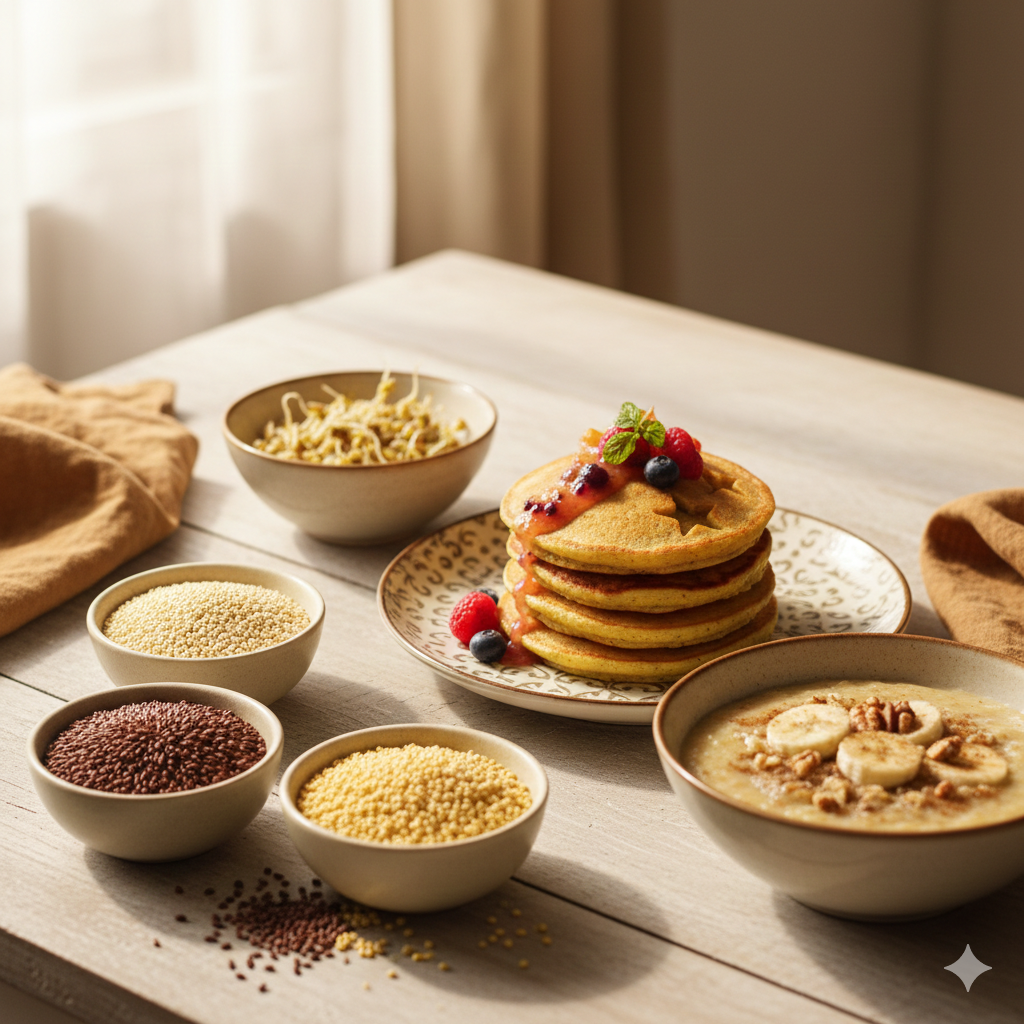
Introducing millets doesn’t mean compromising on taste. They can be easily added to everyday meals:
- Millet pancakes or chillas for breakfast
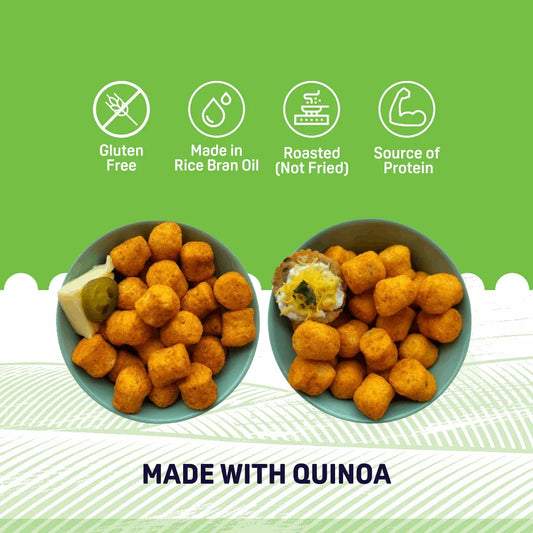
- Millet-based snacks instead of fried foods
- Sprouted millet mixes in wraps or cutlets
- Savory or sweet millet porridges
Consistency is key — small daily inclusions lead to long-term health benefits.
Long-Term Health Benefits of Millet-Based Nutrition
A millet-rich diet during growing years helps:
- Build lifelong bone strength
- Support healthy metabolism
- Reduce risk of lifestyle diseases later in life
- Encourage clean eating habits from an early age
These benefits extend far beyond childhood, shaping healthier adults.
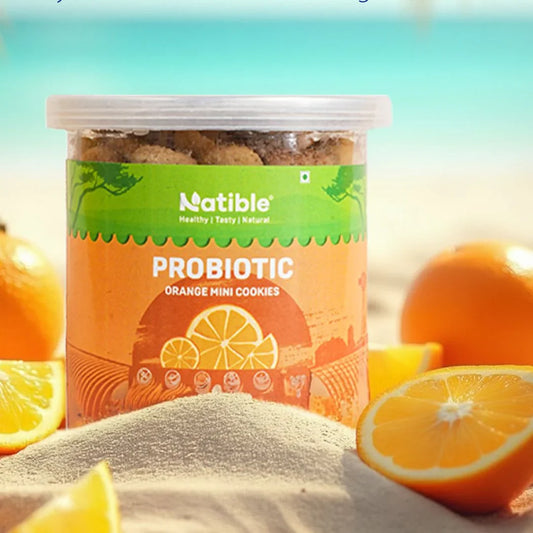
Choosing the Right Nutrition with Natible
At Natible, millet-based products are designed to make healthy eating simple, tasty, and accessible for all age groups. Using sprouted millets and clean ingredients ensures children get real nutrition without artificial additives.